
Revenge Trading: An In-depth Analysis
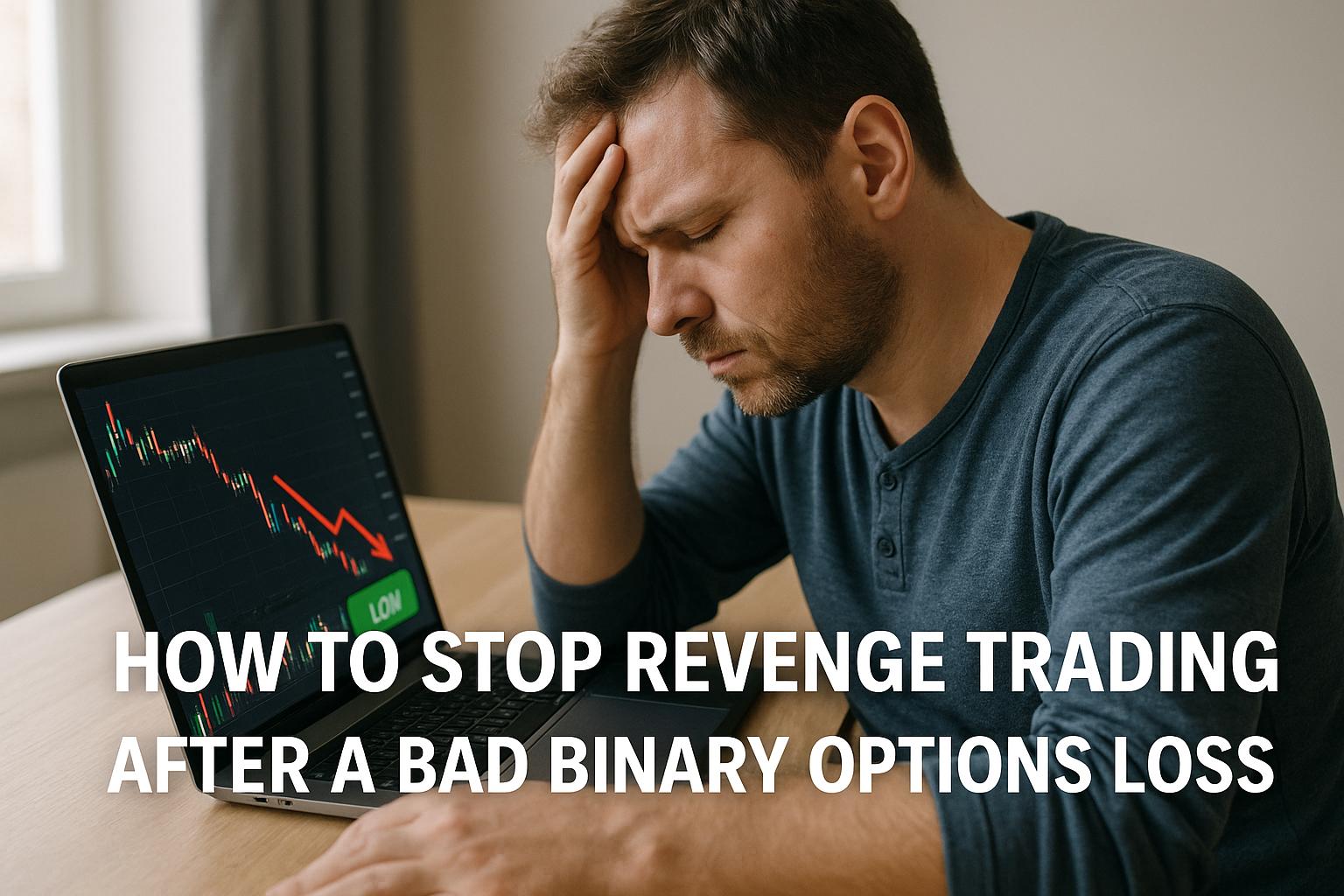
Revenge trading is a behavioral phenomenon that captures the often irrational response of traders who, after enduring financial setbacks, eagerly leap into additional trades to reclaim their losses. Predominantly observed among binary options traders, this response is rooted in the inherent high-risk and high-reward nature of these trading instruments. Recognizing the underlying patterns and triggers of revenge trading is fundamental. Ignoring the emotional factors influencing trading can exacerbate losses, making it essential to address these behaviors systematically.
The Complexities of Emotional Trading
Emotional trading arises when traders, swayed by either fear or hope, make decisions under the cloud of unprocessed emotions. This clouded judgment leads to skewed market evaluations, further spiraling into a cycle of loss and additional trades. Emotional trading, in the long run, poses serious threats to a trader’s financial standing. Those who recognize the adverse effects of emotions on trading approaches can better manage their strategies.
Recognizing Emotions in Trading
To effectively manage emotional trading, traders must first recognize the emotions driving their decisions. Emotions such as anger, disappointment, or fear following a loss can prompt hasty decisions that are not rooted in strategic thinking. Acknowledging and understanding these emotions forms the first step in mitigating their influence.
Proactive Emotional Control Techniques
Once emotions are recognized, traders can employ techniques designed to regain focus and maintain rationality. Here, we explore advanced emotional control strategies beyond the basic ones mentioned earlier.
– Structured Journaling: Maintaining a trading journal can serve as a reflective exercise. Documenting trades, emotional responses, and outcomes allows traders to identify patterns in their emotional reactions over time, enabling more calculated decision-making in the future.
– Cognitive Behavioral Techniques: Cognitive behavioral techniques (CBT) encourage traders to reframe how they perceive losses and setbacks. By viewing trading losses as learning opportunities rather than threats, traders can adjust and improve their trading strategies objectively.
– Regular Breaks: Incorporating regular breaks into the trading day helps prevent mental exhaustion and limits stress accumulation. This, in turn, supports more emotionally balanced decision-making.
Formulating a Resilient Trading Strategy
A comprehensive trading plan acts as a crucial buffer against impulsive emotional responses. Such an approach dictates specific guidelines for trade execution, aligning actions with strategic objectives rather than emotional impulses.
– Risk Assessment and Management: Including a robust risk assessment framework within your trading plan ensures that potential risks are evaluated and mitigated systematically. Adopting tools such as Value at Risk (VaR) can quantify potential losses, reinforcing risk-aware decision-making.
– Ongoing Plan Evaluation: Regularly revisiting and refining your trading plan allows adaptation to changing market dynamics. By evaluating outcomes against set goals, traders can determine the effectiveness of their strategies and make incremental improvements.
Building a Knowledge Base and Support Network
Knowledge and communal support serve as pillars of strength for traders hoping to mitigate the impulse toward revenge trading. Engaging with educational resources and communities provides additional perspectives and insights crucial for informed decisions.
– Advanced Trading Workshops: Invest time in attending advanced trading workshops that provide deep dives into market analysis, risk assessment, and emotional intelligence. These workshops can refine the skills required to manage both market and emotional volatility effectively.
– Mentorship Opportunities: Seeking mentorship from experienced traders can provide invaluable feedback and guidance. Mentors offer not only technical insights but also firsthand experiences of managing emotions in trading environments.
Through the collective effort of enhancing emotional literacy, adhering to structured plans, and continuously expanding their knowledge and networks, traders can effectively curb the tendency for revenge trading. This mindful approach not only stabilizes financial performance but also fosters sustainable and informed trading practices. These practices, in turn, lead to consistent growth and advancement towards achieving long-term financial goals without the constant turbulence of emotionally charged decisions.
This article was last updated on: August 28, 2026